Create a Conservatory You Can Enjoy in Every Season
A lot of Cheshire conservatories sit empty for most of the year. In summer they feel like greenhouses, in winter they are cold and draughty, and by the time the temperature is just right, the season has already moved on. That is a shame, because the view into the garden is often the best in the whole house.
A tiled conservatory roof offers a simple way to fix this. By swapping a thin polycarbonate or glass roof for a properly built, insulated tiled roof, your conservatory can feel like a normal room that just happens to be full of light. It becomes a place for everyday life, not just the odd sunny morning.
In this guide, we will walk through how to design a tiled conservatory roof in Cheshire that looks like it has always belonged to your home. We will cover style, comfort, planning rules, and the little design touches that help your conservatory feel welcoming in spring rain, summer heat, autumn winds, and winter frost.
Why Tiled Conservatory Roofs Suit Cheshire Homes
Cheshire has a lot of character in its homes. You see red brick, stone details, pitched roofs, gables, and bay windows, from village cottages to newer estates. A tiled conservatory roof sits naturally with this style because it follows the same shapes and materials as the main house.
Instead of a shiny plastic roof that shouts “add-on,” tiles give a more settled look. When the roof pitch, tile color, and trim lines are chosen to echo the main house, the conservatory starts to feel like a proper extension, inside and out.
The design also makes sense for our changeable local weather. A tiled conservatory roof in Cheshire can help with:
- Keeping warmth inside during cold snaps
- Reducing glare and heat build-up on bright days
- Softening the sound of heavy rain and strong wind
- Cutting down on fading of furniture caused by harsh sunlight
Because we work across Cheshire, we understand how different neighborhoods and house types tend to look. That local knowledge helps when choosing a design that fits with nearby homes and supports long-term property value, rather than fighting against the style of the street.
Designing a Roof Style That Looks Built In, Not Added On
The best tiled conservatory roofs are the ones that make visitors say, “I did not realize this was a conservatory.” To reach that point, a few key design choices matter.
First is the basic roof shape. Common options include:
- Hipped roofs, which slope on all sides and give a soft, traditional look
- Gable roofs, with a vertical triangle at one end for a bit more drama and height
- Lean-to roofs, that slope in one direction and work well against a single-story wall
- Combination roofs, mixing shapes for larger or more complex conservatories
The roof pitch makes a big difference too. A steeper pitch can echo older cottage and farmhouse styles, while a shallower pitch may suit a modern home. The pitch also affects headroom and how light spreads inside the room.
Outside, the goal is to blend. That usually means:
- Choosing tiles that match or sit close to the main roof color
- Picking ridge caps and trims that line up neatly with existing details
- Thinking about the connection line between house and conservatory so it feels tidy
Inside, the finish turns the space from “old conservatory” into “new room.” Many homeowners like:
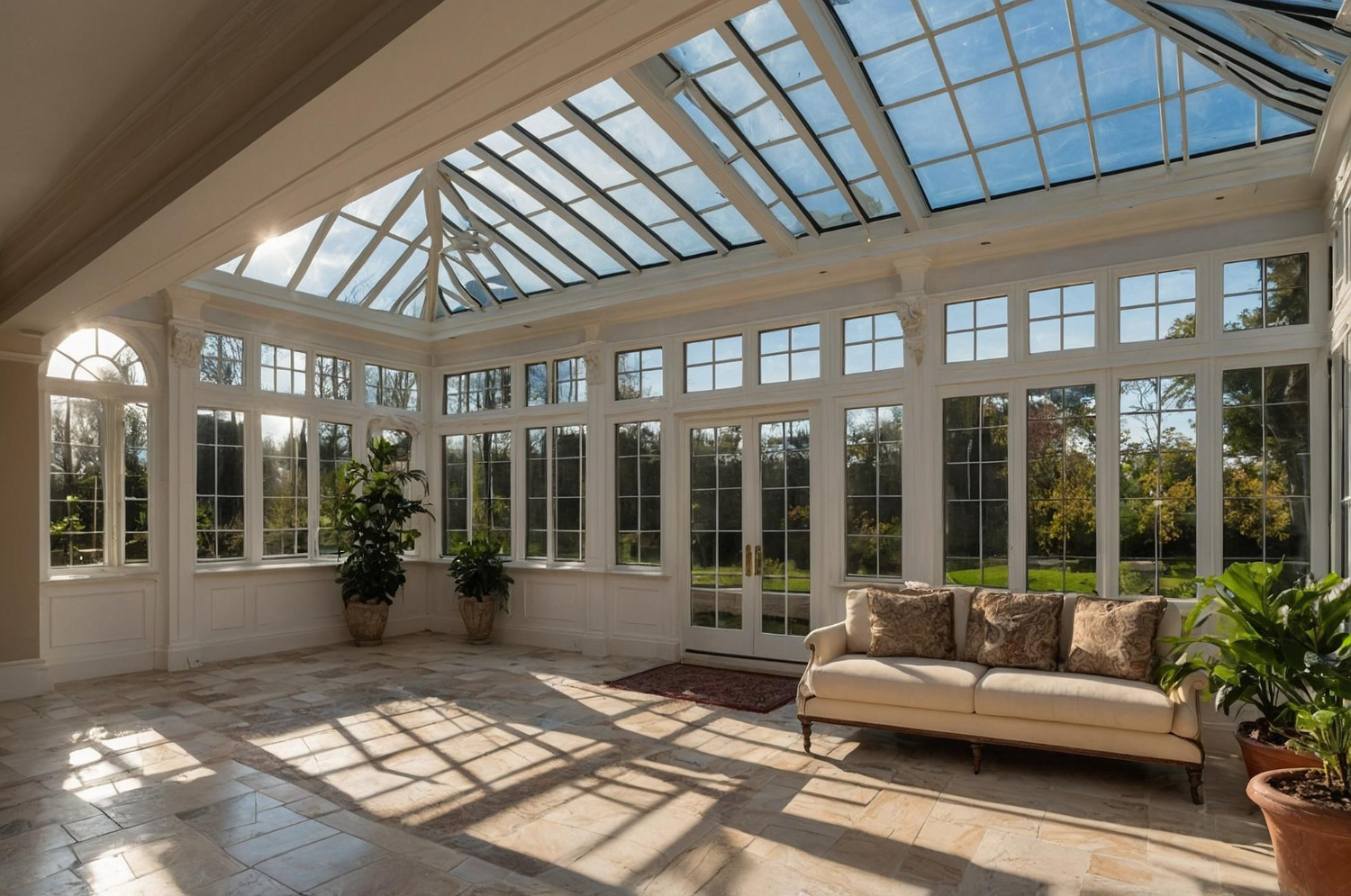
- A vaulted ceiling to show off the new roof height
- Plastered surfaces instead of exposed bars and plastic
- Discreet LED spotlights wired into the new ceiling
- Roof windows in key spots to keep natural light flowing
Together, these details create a space that feels like a proper lounge, dining area, playroom or office, not just a glass box at the back of the house.
Insulation, Comfort, and Energy Savings All Year Round
A warm roof system is more than just tiles on top. It is a layered construction that combines structure, insulation and ventilation so the room stays comfortable without constant fiddling with heaters and fans.
A typical warm roof will include:
- Strong framing to support the new weight
- High quality insulation boards to reduce heat loss and gain
- Ventilation gaps to help moisture escape and prevent damp
- Carefully sealed joints to cut out draughts
All of this is important for Cheshire’s mix of chilly, damp days and sunny spells. In winter, the insulation slows heat escaping through the roof, which is usually the biggest source of heat loss in an old conservatory. In late spring and summer, it helps stop the space turning into an oven every time the sun comes out.
Good glazing and frames play a part as well. Replacing old, thin frames with insulated versions, and choosing modern glass or solid panels for side walls and doors, can help:
- Reduce cold spots and draughts around the edges
- Lower condensation on chilly mornings
- Protect flooring and fabrics from strong UV rays
The result is a room with more steady temperatures and less need for electric heaters, portable fans or AC units that clutter up the space.
Planning, Permissions, and Choosing the Right Partner
When you add a tiled conservatory roof in Cheshire, you are changing how the structure behaves, so it is important to think about planning and building rules. In some cases, the work can fall under permitted development, and in others you may need planning permission or at least building regulations approval.
Key reasons to stay on the right side of the rules include:
- Safety and structural soundness
- Smooth future mortgage checks or remortgaging
- Fewer problems if you decide to sell your home later
Because every house is different, it is always wise to get professional advice on what applies to your property before work starts.
Choosing the right installer is just as important as the design itself. When you are comparing options, it helps to look for:
- Clear experience with tiled conservatory roofs, not just general building
- Understanding of local council expectations and common house types
- Quality roofing and insulation materials that are made to last
- Written guarantees, aftercare, and proper certification documents
- Straightforward timelines and communication so you know what will happen and when
As a local specialist, we at Cheshire Conservatory Roof handle the process from survey and design suggestions through to structural checks, installation, and the paperwork that follows. That joined-up approach means you spend less time worrying about who is doing what, and more time planning how you will enjoy the finished room.
Take the Next Step Toward a Year-Round Cheshire Retreat
A good place to start is with how you use your conservatory right now. Is it a dumping ground for boxes, a room you only enter on mild days, or a space you walk past on the way to the garden? Then think about what it could be once it feels like part of the main house.
Many homeowners turn a tired conservatory into:
- A bright dining area facing the garden
- A calm home office with natural light
- A family snug or TV room
- A hobby or craft space that feels cosy in any weather
Planning ahead helps you time the work around your life. For example, some people like to arrange a survey in spring, confirm designs and finishes soon after, and have the installation completed before the hottest weeks arrive. That way, the space is ready for summer gatherings and stays welcoming when the weather cools again.
At Cheshire Conservatory Roof, we give local, tailored guidance to help you shape a tiled conservatory roof in Cheshire that truly suits your home and your lifestyle, so your conservatory finally earns its place as a favourite room all year round.
Get Started With Your Project Today
Upgrade your space with a comfortable, energy-efficient conservatory designed to be used in every season. Explore how a tiled conservatory roof in Cheshire can transform your home, add value, and improve everyday living. At Cheshire Conservatory Roof, we work closely with you to tailor a solution that fits your property and budget. If you are ready to discuss ideas or request a quote, simply contact us and we will guide you through the next steps.